
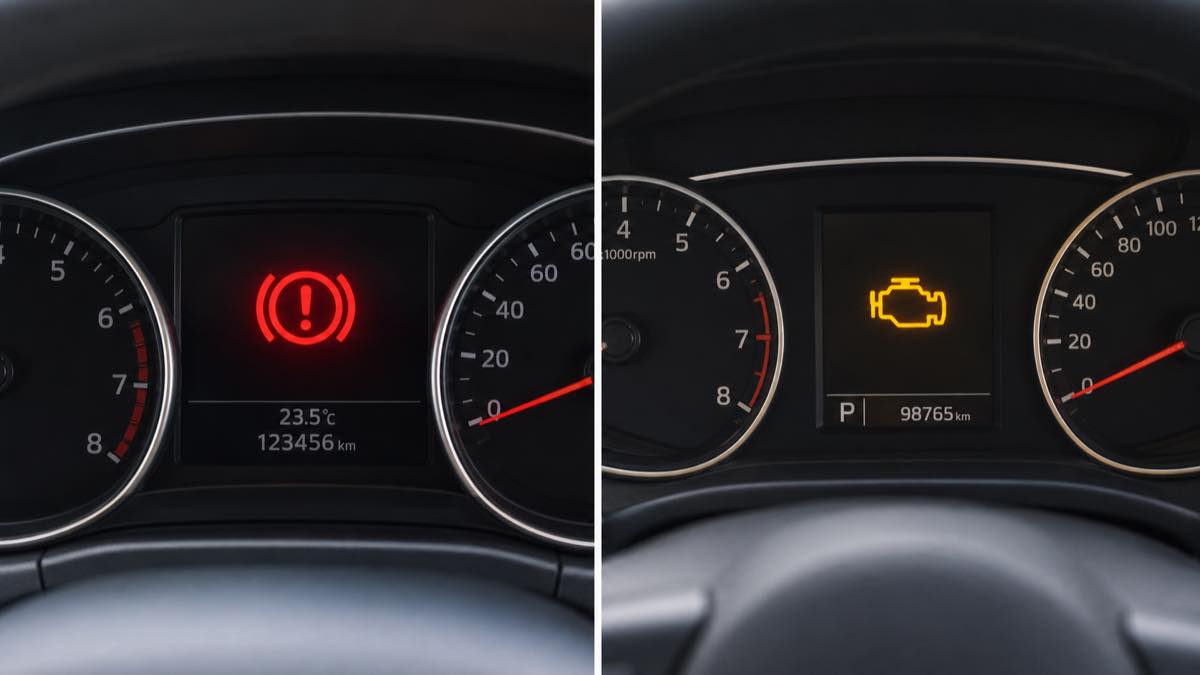
Your car’s dashboard is constantly communicating with you. When a light illuminates, it’s your vehicle’s way of alerting you to a potential issue. But not all warning lights demand the same level of urgency. Understanding the difference between red and yellow dashboard warning lights could save you from expensive repairs—or worse, a breakdown on the highway.
The color coding system used by automakers is straightforward: red means stop, yellow means caution. However, the specifics matter. This guide breaks down what you need to know about dashboard warning lights and how to respond when they appear.
The Color System Explained: Red vs Yellow
Automotive manufacturers follow a standardized approach to warning light colors, though it took decades to establish consistency across the industry. Today, most vehicles follow these guidelines:
- Red warning lights indicate a serious problem requiring immediate attention. Continuing to drive could damage your vehicle or put you in danger.
- Yellow or amber warning lights signal a maintenance issue or system malfunction that needs attention soon, but isn’t an emergency.
Think of red as a stop sign and yellow as a yield sign. Red demands action now. Yellow demands action soon. This distinction helps drivers prioritize their response and decide whether they can safely continue driving to a mechanic or need to pull over immediately.
Common Red Dashboard Warning Lights
When a red light appears on your dashboard, treat it seriously. Here are the most common red warning indicators you might encounter:
Oil Pressure Warning Light
This light typically shows an oil can symbol and illuminates when your engine’s oil pressure drops below safe levels. Low oil pressure means your engine isn’t receiving adequate lubrication, which can cause catastrophic damage within minutes of driving.
What to do: Pull over safely and turn off the engine immediately. Check your oil level with the dipstick. If it’s low, add the recommended oil type for your vehicle. If the level is adequate but the light remains on, don’t drive the vehicle—have it towed to a mechanic. A failing oil pump or pressure sensor could be the culprit.
Engine Temperature Warning Light
Often displayed as a thermometer or engine symbol, this red light indicates your engine is overheating. Driving an overheated engine risks severe internal damage, including warped cylinder heads and blown gaskets.
What to do: Turn off the air conditioning, turn on the heater to draw heat away from the engine, and find a safe place to pull over. Let the engine cool for at least 15 minutes before checking the coolant level (never open the radiator cap on a hot engine—you risk severe burns). If the light returns after refilling coolant, there may be a leak or thermostat issue requiring professional diagnosis.
Brake System Warning Light
This light, often showing a circle with an exclamation point or the word “BRAKE,” indicates a problem with your braking system. This is one of the most critical red lights because brake failure puts you and others at serious risk.
What to do: Stop driving immediately and have the vehicle towed to a mechanic. Don’t attempt to drive to a repair shop. The issue could be low brake fluid, worn brake pads, or a more serious hydraulic system failure. If you must drive a short distance to safety, do so slowly and carefully, using gentle braking.
Battery Warning Light
Displayed as a battery symbol, this red light means your vehicle’s charging system isn’t working properly. Your battery is discharging rather than charging, which means your vehicle will eventually lose electrical power.
What to do: Drive directly to a mechanic or auto parts store. The alternator, serpentine belt, or battery itself may be failing. You can usually drive to get help, but avoid using electrical accessories like the radio or headlights if possible to preserve battery power.
Common Yellow or Amber Dashboard Warning Lights
Yellow warning lights indicate your vehicle needs attention, but you’re not in immediate danger. These lights typically relate to emissions, maintenance, or system performance issues.
Check Engine Light
The check engine light (often showing an engine symbol) is probably the most common warning light drivers encounter. It indicates the onboard diagnostic system has detected an emissions-related problem or engine malfunction.
What to do: Schedule a diagnostic scan at a mechanic or auto parts store. Many auto parts retailers offer free scanning services. The issue could be something minor like a loose gas cap or something more significant like a faulty oxygen sensor. Continue driving normally, but address it within a week or two.
Tire Pressure Warning Light
This light, showing a tire with an exclamation point, indicates one or more tires are underinflated. Underinflated tires affect fuel economy, handling, and tire lifespan.
What to do: Check your tire pressure at the nearest gas station or with a home tire gauge. Inflate tires to the pressure listed on the driver’s door jamb (not the maximum pressure on the tire sidewall). If the light persists after inflating, you may have a slow leak requiring professional inspection.
Service Soon or Maintenance Required Light
Some vehicles display a yellow light or message indicating scheduled maintenance is due. This is your vehicle’s reminder that it’s time for an oil change, filter replacement, or other routine service.
What to do: Schedule a service appointment with your mechanic or dealership. This isn’t urgent, but don’t ignore it indefinitely. Regular maintenance prevents more serious problems down the road.
ABS Warning Light
The ABS (anti-lock braking system) warning light indicates a problem with your vehicle’s anti-lock brakes. Your regular brakes should still function, but the anti-lock feature is disabled.
What to do: You can safely drive to a mechanic, but avoid sudden braking or slippery conditions. Have the ABS system diagnosed and repaired within a few days. The issue could be a faulty sensor or low brake fluid.
Traction Control or Stability Control Light
This yellow light indicates your vehicle’s traction or stability control system has detected a problem. These systems help prevent skidding and loss of control, especially in wet or icy conditions.
What to do: Drive cautiously to a mechanic. The system may be disabled, which increases your risk in slippery conditions. Have it diagnosed within a few days. The problem could be a faulty wheel speed sensor or module issue.
What to Do When a Warning Light Appears
Your response to a warning light depends on its color and what you know about your vehicle. Here’s a practical decision tree:
For Red Warning Lights
- Pull over to a safe location as soon as possible
- Turn off the engine and assess the situation
- Check for obvious issues (low fluid levels, unusual smells or sounds)
- Call for roadside assistance or have the vehicle towed
- Don’t attempt to drive to a repair shop unless absolutely necessary
For Yellow Warning Lights
- Note when the light appeared and what you were doing
- Check for obvious issues (tire pressure, loose gas cap)
- Drive carefully to a mechanic or auto parts store
- Have the system scanned or inspected within a few days
- Address the underlying issue before it becomes serious
Understanding Your Vehicle’s Specific Warning Lights
While the red vs yellow color system is standardized, the specific symbols and meanings can vary between manufacturers. Your owner’s manual is the definitive resource for understanding what each light means in your particular vehicle.
Most modern vehicles also display a text message alongside the symbol, explaining the issue in plain language. Pay attention to these messages—they provide valuable context that helps you understand the urgency and appropriate response.
Some vehicles use a three-color system, adding green lights that indicate normal system operation. However, red and yellow remain the standard warning colors across the automotive industry.
Prevention: Avoiding Warning Lights
The best approach to dashboard warning lights is prevention. Regular maintenance and responsible driving habits can help you avoid many common warning light scenarios:
- Follow the maintenance schedule outlined in your owner’s manual. Regular oil changes, filter replacements, and fluid top-offs prevent many warning light issues.
- Check tire pressure monthly and before long trips. Proper inflation improves safety and fuel economy.
- Monitor fluid levels between service appointments. Low coolant, brake fluid, or oil often trigger warning lights.
- Listen to your vehicle. Unusual noises or smells often precede warning lights. Address them promptly.
- Keep your fuel tank above a quarter full. Running on fumes can damage your fuel pump and trigger warning lights.
- Drive smoothly and avoid aggressive acceleration or braking, which can stress your engine and transmission.
When to Seek Professional Help
While some warning light issues are simple enough for DIY diagnosis (like checking tire pressure or tightening a gas cap), most require professional attention. A qualified mechanic has diagnostic equipment that can pinpoint the exact cause of a warning light.
Don’t ignore warning lights hoping they’ll go away on their own. Small issues often become expensive repairs when left unaddressed. A $50 diagnostic scan today could prevent a $500 repair tomorrow.
If you’re unsure whether a light requires immediate attention, err on the side of caution. Call a mechanic and describe what you’re seeing. They can advise whether you should stop driving immediately or if it’s safe to drive to their shop.
Key Takeaways
- Red warning lights demand immediate attention and often require you to stop driving
- Yellow warning lights indicate a problem that needs attention soon, but aren’t emergencies
- Always consult your owner’s manual for specific information about your vehicle’s warning lights
- Regular maintenance prevents many warning light issues from occurring
- When in doubt, have a professional mechanic diagnose the problem
- Ignoring warning lights can lead to expensive repairs and safety risks
Frequently Asked Questions
Can I drive with a yellow warning light on?
Generally yes, but you should have the issue diagnosed within a few days. Yellow lights indicate a problem that needs attention, not an emergency. However, if the yellow light is for your brakes or another safety-critical system, drive carefully and get it checked promptly.
What does it mean if multiple warning lights come on at once?
Multiple warning lights often indicate a single underlying problem. For example, a failing alternator might trigger both the battery light and the check engine light. Have the vehicle scanned by a mechanic to identify the root cause rather than treating each light separately.
Why did my warning light turn off by itself?
Some warning lights turn off when the condition that triggered them is resolved. For example, the tire pressure light might turn off after you inflate your tires. However, if a light turns off without you addressing anything, the underlying problem may still exist. Have it scanned to be sure.
Is the check engine light always serious?
No. The check engine light can indicate anything from a loose gas cap to a faulty oxygen sensor to a serious engine problem. The only way to know is to have the vehicle scanned. Most check engine light issues aren’t emergencies, but they should be addressed within a week or two.
Can I reset a warning light myself?
You can reset some warning lights by disconnecting your vehicle’s battery for a few minutes, but this doesn’t fix the underlying problem. The light will return once the issue is detected again. It’s better to address the actual problem rather than just hiding the warning.
What’s the difference between a warning light and a service indicator?
Warning lights indicate a problem with your vehicle’s systems. Service indicators remind you that scheduled maintenance is due. Service indicators are typically yellow and aren’t emergencies, but they shouldn’t be ignored indefinitely.
Should I take my car to the dealership or an independent mechanic for warning light issues?
Either can diagnose and repair warning light issues. Dealerships have manufacturer-specific knowledge and genuine parts, while independent mechanics often charge less. For warranty-related issues or recalls, a dealership is your best choice. For general repairs, a trusted independent mechanic can be more cost-effective.
What should I keep in my car for warning light emergencies?
Keep an emergency kit including jumper cables, a flashlight, basic tools, spare fuses, extra engine oil, coolant, and brake fluid. These items can help you address minor issues or safely wait for roadside assistance if a red warning light appears.
Understanding your dashboard warning lights is an essential part of vehicle ownership. By recognizing the difference between red and yellow lights and responding appropriately, you can keep your car running safely and avoid costly repairs. When in doubt, consult your owner’s manual or contact a qualified mechanic.