
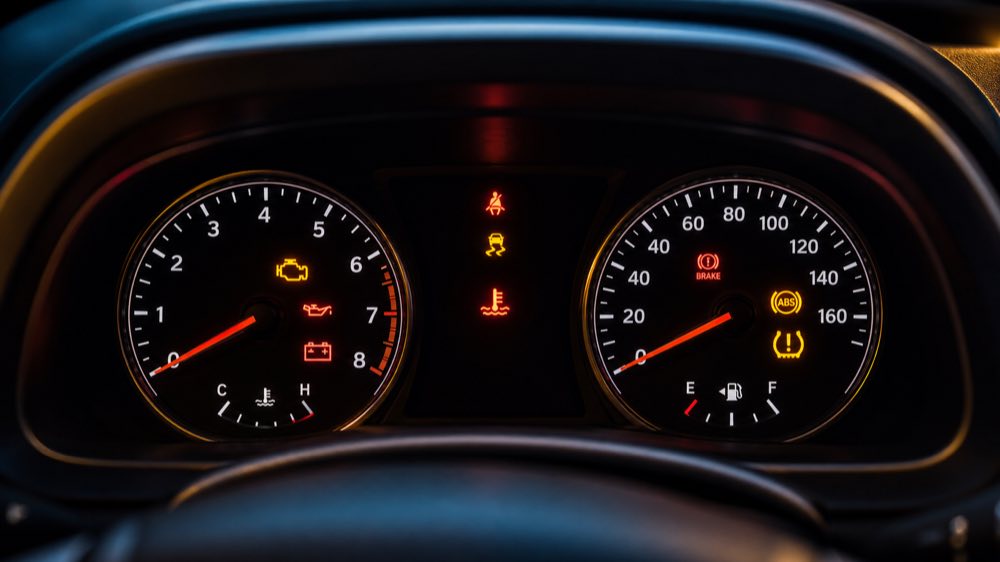
A dashboard light in the instrument cluster can be a small reminder or the first sign of a serious problem. Low washer fluid is not a crisis. A red oil pressure light, overheating warning, or brake light is a different story and may mean you should pull over as soon as it is safe.
Start with the color. Red usually means stop or act now. Yellow or amber means the car needs attention soon. Green, blue, or white usually means a feature is turned on.
The exact dashboard symbol can vary by make and model, so your owner’s manual still matters. If the light appears with a message on the driver information display, treat the message as part of the warning.
Dashboard Warning Lights Quick Reference
| Warning Light | Usual Color | What It Usually Means | Can You Drive? | What to Do First |
|---|---|---|---|---|
| Check Engine Light | Yellow/Amber | Engine, emissions, fuel, or ignition issue | Sometimes, if steady and the car feels normal | Check gas cap, scan for OBD2 codes |
| Flashing Check Engine Light | Yellow/Amber | Possible severe misfire | No, avoid driving if possible | Reduce speed, stop safely, get diagnosis |
| Oil Pressure Light | Red | Low oil pressure or lubrication problem | No | Pull over safely and turn off the engine |
| Temperature Warning Light | Red | Engine overheating | No | Pull over, shut off engine, let it cool |
| Battery Light | Red | Charging system problem | Only briefly to a safe place | Turn off accessories and get checked |
| Brake Warning Light | Red | Parking brake, low fluid, or brake fault | Not if braking feels unsafe | Check parking brake, then inspect brakes |
| ABS Light | Yellow/Amber | Anti-lock brake system fault | Usually, but with caution | Drive carefully and inspect soon |
| TPMS Light | Yellow/Amber | Low tire pressure or TPMS fault | Usually after checking tires | Check tire pressure with a gauge |
What Do Dashboard Warning Light Colors Mean?
Most vehicles use warning light colors like a traffic signal. The color will not diagnose the repair by itself, but it tells you how urgently to react.
Red Dashboard Warning Lights
A red light deserves immediate attention. Depending on the symbol, you may need to pull over, shut the engine off, or call for roadside help instead of trying to make it home.
Common red warning lights include:
- Oil pressure warning light
- Engine temperature warning light
- Brake warning light
- Battery/charging system warning light
- Airbag/SRS warning light
- Seat belt warning light
If the red light is for oil pressure, brakes, or engine temperature, do not treat it like a normal service reminder. Continuing to drive can turn a manageable issue into engine damage or a safety problem.
Yellow or Amber Dashboard Warning Lights
Yellow and amber lights are caution lights. The car may still drive normally, but it is asking you to investigate before the problem grows.
Common yellow or amber lights include:
- Check engine light
- ABS warning light
- TPMS/tire pressure light
- Traction control light
- Service engine soon light
- Maintenance required light
Some amber lights are simple, like a loose gas cap or low tire pressure. Others can point to emissions, braking, or stability-control problems that get more expensive the longer they sit.
Green, Blue, or White Dashboard Lights
Green, blue, and white lights are usually status indicators. They are often telling you that a feature is on, not that something failed.
Examples include:
- High beam indicator
- Turn signal indicator
- Cruise control indicator
- Eco mode indicator
- Fog light indicator
They usually are not repair warnings, but they are worth learning so you do not mistake a normal indicator for a problem.
Common Dashboard Warning Lights and What They Mean
Below are the warning lights most US drivers should recognize first.
Check Engine Light
The check engine light, also called the malfunction indicator lamp, comes on when the vehicle’s computer sees a problem in a monitored system. That can include engine performance, emissions, fuel delivery, ignition, or related sensors.
A steady light often gives you more time, especially if the car feels normal. A flashing check engine light is different. It can point to a severe misfire that may damage the catalytic converter, so reduce driving and get it checked quickly.
What to do first:
- Check whether the gas cap is loose
- Notice whether the car is shaking, losing power, or running rough
- Use an OBD2 scanner to read diagnostic trouble codes
- Schedule diagnosis if the light stays on
Related guides:
- Check Engine Light Meaning
- Can You Drive With the Check Engine Light On?
- Flashing Check Engine Light
- OBD2 Scanner Guide
Oil Pressure Warning Light
The oil pressure light is one of the warnings you do not gamble with. It can mean the engine lubrication system is not building enough oil pressure to protect moving parts.
If it comes on while driving, pull over safely and shut the engine off. Driving with low oil pressure can destroy an engine quickly.
What to do first:
- Stop driving as soon as safely possible
- Turn off the engine
- Check the oil level after the engine has cooled enough to do so safely
- Do not continue driving if the light stays on
Related guide:
Engine Temperature Warning Light
The temperature light means the engine is running too hot or the cooling system is failing to control heat through the radiator, coolant, thermostat, water pump, or cooling fan.
Overheating can lead to head gasket damage or engine failure. If this light comes on, pull over, turn the engine off, and let it cool. Never open a hot radiator cap.
Common causes include:
- Low coolant
- Coolant leak
- Bad thermostat
- Radiator fan problem
- Water pump issue
Related guides:
- Coolant Temperature Warning Light
- Car Overheating While Idle
- Radiator Replacement Cost
Battery or Charging System Light
The battery light is a little misleading. It can be the battery, but it often means the charging system, alternator, belt, wiring, or battery terminals are not keeping up.
Common causes include:
- Failing alternator
- Loose or damaged belt
- Weak battery
- Bad battery cable connection
- Charging system fault
If the battery light appears while driving, the car may keep running for a while and then shut off when voltage drops. Turn off extra electrical loads and head for a safe place.
Related guides:
- Battery Light On While Driving
- Alternator Replacement Cost
- Car Battery Replacement Cost
Brake Warning Light
The brake warning light can be simple or serious. It may mean the parking brake is still on, brake fluid is low, or there is a fault in the brake system.
Check the parking brake first. If the light stays on or the pedal feels soft, do not keep driving as if nothing changed. Brake issues can affect stopping distance.
What to do first:
- Check the parking brake
- Pay attention to a soft brake pedal
- Do not continue driving if braking feels unsafe
- Have the brake system inspected
Related guides:
- Brake Warning Light Meaning
- Signs You Need New Brake Pads
- Brake Pad Replacement Cost
ABS Warning Light
The ABS light means the anti-lock braking system has a fault. The regular brakes may still work, but ABS may not help during a panic stop or on slippery pavement. A common cause is a wheel speed sensor issue, though the system still needs proper diagnosis.
Common causes include:
- Wheel speed sensor issue
- ABS module fault
- Low brake fluid
- Damaged wiring
If both the ABS light and brake warning light are on together, treat the issue as more serious and get the vehicle inspected before driving further.
Related guide:
TPMS or Tire Pressure Light
The TPMS light points to tire pressure or the tire pressure monitoring system. Most of the time, the first step is simple: check cold tire pressure with a gauge and compare it with the placard on the driver’s door jamb.
What to do first:
- Check tire pressure with a gauge
- Inflate tires to the pressure listed on the driver’s door placard
- Inspect for nails, damage, or slow leaks
- If the light flashes before staying on, the TPMS sensor may have a fault
Related guides:
- TPMS Light On
- Tire Pressure Gauge Guide
- Portable Tire Inflator Guide
Airbag Warning Light
The airbag or SRS warning light means the vehicle detected a fault in the airbag or seat belt pretensioner system.
The car may still drive normally, but the airbag or supplemental restraint system may not protect you correctly in a crash. Because this is a safety system, have it diagnosed by a qualified technician.
Related guide:
- Airbag Warning Light
Traction Control or Stability Control Light
If the traction control light flashes briefly, the system may simply be working to reduce wheel slip. If it stays on, there may be a fault or the system may be turned off.
Common causes include:
- Wheel speed sensor issue
- ABS-related fault
- Traction control turned off
- Stability control system problem
Related guides:
- Traction Control Light On
- Stability Control Light On
Transmission Warning Light
The transmission warning light can mean the transmission is overheating, the fluid level is low, or the control system detected a fault.
Transmission warnings are worth taking seriously because small problems can become expensive quickly. If the car shifts harshly, slips, loses power, or shows a transmission warning, reduce driving and get it checked.
Related guides:
- Transmission Warning Light
- P0700 Code
- Average Car Repair Costs in the US
Can You Keep Driving With a Dashboard Warning Light On?
The answer depends on the light and how the car behaves.
You should usually stop driving soon if you see:
- Oil pressure warning light
- Engine temperature warning light
- Brake warning light with braking problems
- Flashing check engine light
- Fuel smell or leak warning
- Transmission warning with shifting problems
You may be able to drive carefully to a repair shop if you see:
- Steady check engine light with no symptoms
- TPMS light after checking tire pressure
- Maintenance required light
- Service engine soon light
- Washer fluid light
When in doubt, do not treat the light like background decoration. If the car feels unsafe, smells like fuel, overheats, makes harsh noises, or loses braking or steering ability, pull over safely and call for help.
What Should You Check First?
Before you assume the worst, run through the simple checks first.
- Check the color of the warning light.
- Look for a message on the dashboard screen.
- Check the owner’s manual for the exact symbol.
- Notice whether the car feels different.
- Check fluid levels only when safe.
- Check tire pressure if the TPMS light is on.
- Use an OBD2 scanner for check engine-related lights.
- Stop driving if the warning involves oil pressure, overheating, brakes, fuel leaks, or severe engine misfire.
Do You Need an OBD2 Scanner?
An OBD2 scanner is useful when the check engine light is involved. It will not explain every dashboard symbol, but it can read engine and emissions-related diagnostic trouble codes from the vehicle’s onboard computer.
A scanner can help with:
- Check engine light
- Misfire codes
- EVAP leak codes
- Oxygen sensor codes
- Catalyst efficiency codes
- Some transmission-related codes
It may not fully diagnose:
- Brake hydraulic problems
- Airbag faults without a compatible scanner
- TPMS sensor programming
- Manufacturer-specific warning systems
Related guide:
- OBD2 Scanner Guide
When Should You Call a Mechanic?
Call a mechanic, roadside assistance, or a tow service if:
- A red warning light stays on
- The engine is overheating
- The oil pressure light appears
- The brake pedal feels soft or braking feels unsafe
- The check engine light is flashing
- The car smells like gas
- The vehicle stalls or loses power
- Multiple warning lights appear at once
- You are not sure what the symbol means
For safety-related systems like brakes, steering, airbags, overheating, oil pressure, or fuel leaks, it is better to be cautious.
FAQ
What is the most serious dashboard warning light?
The oil pressure light, engine temperature light, and brake warning light are among the most serious. If one of these appears while driving, pull over safely and check the situation before continuing.
What does a yellow dashboard light mean?
A yellow or amber light usually means caution. The car may still be drivable, but the issue should be checked soon.
What does a red dashboard light mean?
A red dashboard light usually means a serious warning or immediate action. Depending on the symbol, you may need to stop driving.
Why do all dashboard lights turn on when I start the car?
Most dashboard lights turn on briefly during startup as a bulb and system check. They should turn off after the engine starts. If one stays on, that system may need attention.
Can low battery cause multiple warning lights?
Yes. A weak battery, failing alternator, or charging system issue can sometimes trigger multiple warning lights because modern vehicles depend on stable electrical voltage.
Should I clear a warning light with a scanner?
Do not clear a warning light just to hide it. Read the code, understand the problem, fix the cause, and then clear the code if appropriate.
Final Thoughts
Dashboard lights are not all equal. The color, the symbol, and the way the car feels all matter.
If the light is red, the engine is overheating, oil pressure is low, the brakes feel wrong, or the check engine light is flashing, stop driving as soon as it is safe. For yellow lights, do not panic, but do not ignore them either.
Your owner’s manual is the best place to confirm the exact symbol for your vehicle. If the warning involves brakes, steering, airbags, overheating, oil pressure, fuel smell, or severe engine problems, get the car inspected by a qualified mechanic.
7 thoughts on “Dashboard Warning Lights: Meanings, Colors, and What to Do”