
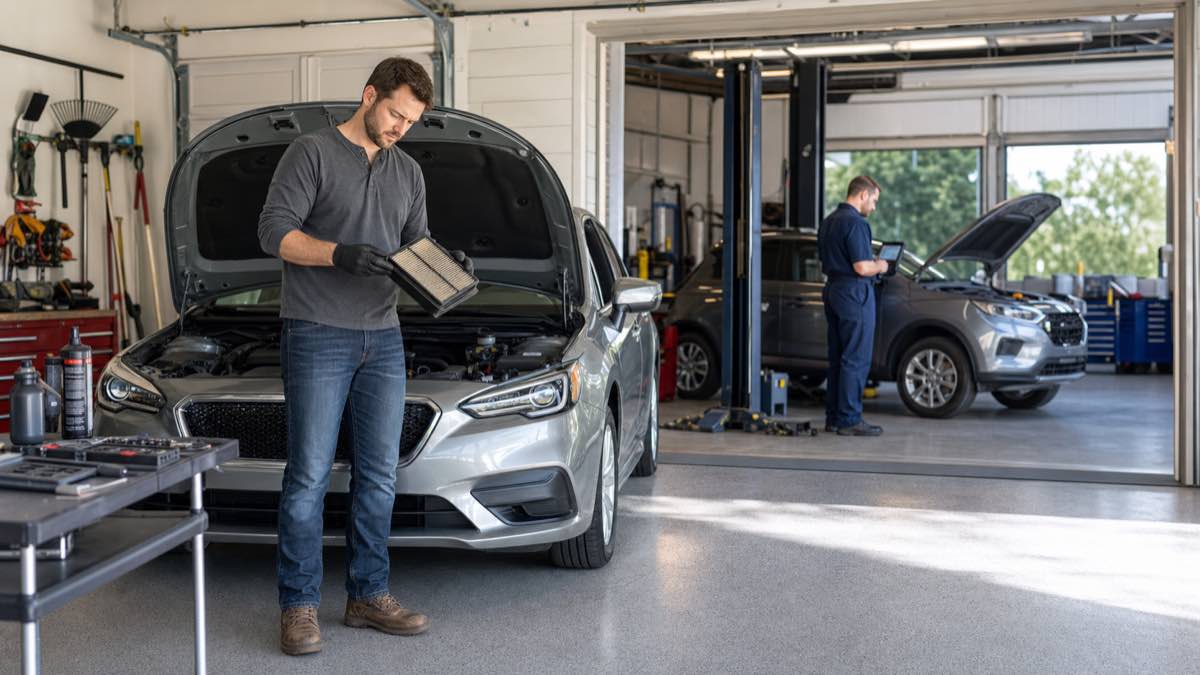
Your car needs work. You’ve got two paths: tackle it yourself or book an appointment with a mechanic. The right choice depends on the repair type, your skill level, available tools, and how much you value your time.
This guide cuts through the noise and gives you honest criteria to decide when DIY makes sense and when professional help is worth every penny.
The Real Cost Difference
Labor costs at dealerships and independent shops typically run $75 to $150+ per hour, depending on your location and the shop’s reputation. For a two-hour job, you’re looking at $150 to $300 in labor alone—before parts.
DIY eliminates labor costs entirely. You pay only for parts and tools. A brake pad replacement that costs $200 at a shop might cost $40 in pads if you do it yourself. That’s real savings.
But here’s the catch: if you damage something while learning, or buy the wrong part, those savings evaporate fast. A $40 repair becomes a $400 problem when you strip a bolt or install something incorrectly.
Jobs That Are Actually DIY-Friendly
Some repairs are genuinely approachable for someone with basic mechanical confidence and a decent YouTube video to follow.
- Air filter replacement: Usually takes 10 minutes, requires no special tools, and costs $10-20 in parts.
- Cabin air filter: Similar difficulty and cost. Most cars have these tucked behind the glove box.
- Brake pads: Moderate difficulty. You need a jack, jack stands, and basic socket tools. High satisfaction factor when you nail it.
- Wiper blades: Genuinely simple. Some blade designs just clip on.
- Battery replacement: Straightforward if you’re careful about terminal order (negative first, positive last). Takes 15-30 minutes.
- Spark plugs: Depends on your engine layout. Some cars make this easy; others require removing half the engine bay first.
- Fluid top-ups: Coolant, windshield washer, power steering fluid. Low risk, high value.
These jobs share common traits: they’re forgiving, don’t require expensive specialty tools, and won’t strand you on the highway if something goes slightly wrong.
Jobs That Demand Professional Help
Some repairs carry real consequences if done incorrectly. These belong in a professional’s hands.
- Transmission work: Transmissions are complex, sealed systems. Mistakes here are expensive and dangerous.
- Advanced diagnostics: Reading a basic check-engine and OBD2 code can be a DIY starting point, but intermittent electrical faults, network errors, and drivability problems often require professional scan tools and testing. A proper diagnosis can prevent unnecessary parts replacement.
- Brake system repairs beyond pads: Brake lines, master cylinders, and ABS warning-light faults require precision and safety knowledge.
- Suspension and steering: Alignment, tie rods, and control arms affect handling and safety. Improper work creates accident risk.
- Electrical system work: Modern vehicles have complex electrical systems. Miswiring can cause fires or disable critical safety features.
- Air conditioning refrigerant work: Recovering, evacuating, and charging a mobile A/C system requires specialized equipment. US EPA rules also restrict refrigerant handling and sales, so leak diagnosis and sealed-system service are best left to a qualified shop.
- Airbag and restraint systems: An illuminated airbag warning light needs careful diagnosis; accidental deployment can cause serious injury, and an incorrect repair can prevent the system from working in a crash.
- Hybrid and EV high-voltage systems: Orange-cable traction systems can carry lethal voltage and require model-specific isolation procedures and protective equipment.
- Pressurized fuel-system repairs: Fuel leaks, fire risk, and high-pressure direct-injection components make this poor beginner work.
- Timing belt replacement: Incorrect camshaft and crankshaft timing can cause severe engine damage, especially in an interference engine.
The common thread: these repairs affect safety, require specialized tools or certifications, or carry catastrophic failure risks.
The Middle Ground: Moderate Difficulty Repairs
Some jobs sit in the gray zone. You might handle them yourself if you’re mechanically inclined, but they’re not obvious calls.
- Oil and filter changes: Straightforward but messy. You need a drain pan, wrench, and filter wrench. Takes 30-45 minutes. Cost savings are real but modest ($20-30 per change).
- Thermostat replacement: Moderate difficulty. Requires draining coolant, removing hoses, and getting the gasket right. One mistake means overheating.
- Water pump replacement: Similar to thermostat work but more involved. Doable if you’re patient and careful.
- Alternator or starter replacement: Requires removing other components to access them. Moderate skill and tool requirements.
- Headlight or taillight bulbs: Easy on some cars, requires removing trim panels on others. Check your specific model first.
For these, honestly assess your comfort level. Watch a full video of someone doing it on your exact car model. If they make it look easy and you have the tools, you might be good. If they’re struggling or the job takes three hours, that’s your signal to call a shop.
Skills and Tools You Actually Need
Before you commit to DIY, be honest about what you have and what you know.
Essential tools for basic work: Socket set, wrenches, screwdrivers, pliers, jack, jack stands, and a torque wrench. You’re looking at $100-200 to start. If you already own these, great. If not, factor that into your cost-benefit analysis.
Skills you need: Ability to follow written instructions, patience to read your vehicle’s service manual, and enough mechanical sense to know when something doesn’t feel right. YouTube is your friend, but it’s not a substitute for understanding what you’re doing.
The workspace: You need a safe, level surface. A driveway works for simple jobs. Anything involving getting under the car demands proper jack stands and a solid plan. Never rely on a jack alone.
Time Investment vs. Money Saved
This is where DIY gets tricky. You might save $100 in labor, but if the job takes you four hours instead of one, your effective hourly rate is $25. Is that worth your Saturday?
For simple jobs like air filters or wiper blades, absolutely. For complex work, the math gets fuzzy. Add in the stress of potentially messing up, and professional labor starts looking reasonable.
Warranty and Liability Considerations
Many repair shops warranty their parts or labor, but the coverage period and exclusions vary. Ask for the warranty in writing before approving the job. With DIY work, you may still have a parts warranty, but you are responsible for the labor needed to diagnose and correct an installation problem.
Doing your own maintenance does not automatically cancel an entire US vehicle warranty. However, a manufacturer may deny coverage for damage caused by an incorrect repair, unsuitable part, or missed required service. Follow the owner’s manual and keep dated receipts and maintenance records.
Insurance also matters. Coverage after a failure can depend on the policy, the cause of the loss, and whether excluded or negligent work contributed. For repairs involving steering, brakes, restraints, or structural safety, professional documentation may be worth the added cost.
Finding the Right Mechanic (When You Need One)
If you decide to go professional, choose wisely. A good mechanic saves you money long-term by preventing unnecessary work and catching problems early.
Look for shops with ASE-certified technicians, positive reviews on Google and Yelp, and transparent pricing. Ask for a written estimate before work begins. A shop that explains what they’re doing and why builds trust.
Independent shops often cost less than dealerships for routine maintenance. Dealers have direct access to factory procedures, service bulletins, and manufacturer systems; repairs paid under the factory warranty generally need to go through an authorized dealer.
A Five-Question DIY or Mechanic Test
Before buying parts, answer these five questions honestly. A single serious concern can outweigh a tempting labor saving.
- Can a mistake affect control, braking, fire protection, or crash protection? If yes, use a qualified professional unless you already have the training and model-specific procedure.
- Can you confirm the diagnosis? A trouble code identifies a system or symptom, not necessarily the failed part. Do not turn a guess into a parts-shopping list.
- Do you have the correct tools and specifications? Include a stable work surface, rated lifting equipment, torque specifications, protective gear, and any scan-tool functions required after installation.
- Can the car remain unavailable if the job runs long? Rusted fasteners, wrong parts, and unexpected damage can turn a one-hour video into a weekend project.
- Is the real saving worth the risk? Compare parts, tools, disposal fees, alignment or programming, your time, and the cost of correcting a mistake—not just the shop’s labor line.
A sensible middle option is to pay for diagnosis and perform only the straightforward repair yourself. Ask the shop what testing supports its conclusion, obtain the estimate in writing, and check whether customer-supplied parts change the warranty.
Stop the DIY Repair When These Problems Appear
Stop and call a professional if the repair instructions no longer match your vehicle, a fastener begins to strip, wiring insulation is damaged, fuel or brake fluid leaks, the vehicle cannot be supported securely, or a warning light remains after the original fault is repaired. Do not improvise around airbags, orange high-voltage cables, compressed springs, or pressurized fuel.
Reassemble the vehicle only when doing so is safe, photograph anything disconnected, and tell the technician exactly what you removed or tested. That information can shorten diagnosis time and prevent duplicated work.
The Honest Bottom Line
DIY car repair makes sense when the job is simple, the cost savings are meaningful, you have the tools and skills, and you genuinely enjoy the work. It’s a great way to learn about your vehicle and save money on routine maintenance.
Professional mechanics make sense when safety is involved, specialized tools are required, or your time is better spent elsewhere. A $200 diagnostic fee that prevents a $2,000 mistake is money well spent.
Most car owners benefit from a hybrid approach: handle the simple stuff yourself, trust professionals with the complex work, and build a relationship with a mechanic you trust for everything in between.
Frequently Asked Questions
Can I DIY an oil change?
Yes, if you have a drain pan, wrench, and filter wrench. It’s straightforward but messy. The main risk is spilling oil or over-tightening the drain plug. Takes 30-45 minutes for most vehicles. Cost savings are modest ($20-30 per change), so it’s more about learning your vehicle than saving big money.
What’s the most dangerous DIY car repair?
Brake work and suspension repairs top the list. Mistakes here directly affect your ability to stop or control the vehicle. Electrical work is also dangerous—miswiring can cause fires. If you’re not confident, don’t attempt these.
How do I know if I need a mechanic or can DIY?
Ask yourself: Does this affect safety? Do I need specialty tools? Is there a computer diagnostic involved? If yes to any of these, see a mechanic. For simple maintenance like filters and fluids, DIY is usually fine if you’re comfortable with basic tools.
Will DIY repairs void my warranty?
Only if you work on covered components and something goes wrong. Routine maintenance like oil changes and filter replacements won’t void your warranty. Check your warranty documentation or call your dealer if you’re unsure about a specific repair.
How much can I save by doing my own car repairs?
Labor typically costs $75-150+ per hour at shops. Simple jobs save $50-200. Complex repairs can save $500+, but they require more skill and tools. Factor in your time and the cost of tools you don’t already own. Savings aren’t always as big as they seem.
What tools do I need to start DIY car repair?
A basic socket set, wrenches, screwdrivers, pliers, a jack, and jack stands. You’ll also want a torque wrench for jobs that require specific tightness. A good starter set costs $100-200. Specialty tools for specific repairs can add more cost.
Is it cheaper to go to an independent mechanic or dealership?
Independent shops are usually cheaper for routine maintenance and repairs. Dealerships cost more but have factory parts and service bulletins. For warranty work, dealerships are your only option. Get quotes from both before deciding.
Can I use YouTube to learn car repair?
YouTube is a great learning tool, but use it carefully. Find videos for your exact car model and year. Watch the full video before starting. If the creator struggles or the job takes much longer than expected, that’s your signal to call a professional instead.