
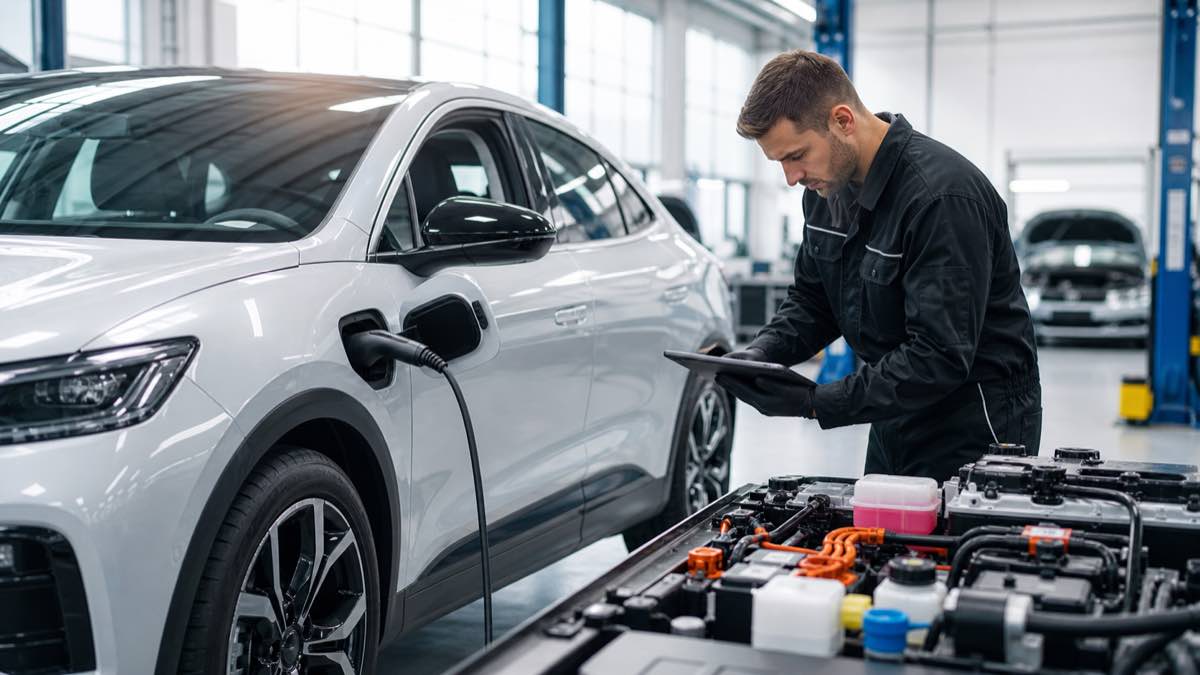
Electric vehicles (EVs) and hybrids are becoming mainstream on American roads, but many owners aren’t sure how to maintain them properly. Unlike traditional gas-powered cars, these vehicles have different maintenance needs and schedules. Understanding what to check and when can save you money, extend your vehicle’s lifespan, and keep you safe on the road.
How EV and Hybrid Maintenance Differs From Gas Cars
The biggest difference between maintaining an EV, hybrid, or traditional vehicle comes down to complexity and wear patterns. Electric vehicles have far fewer moving parts than gas engines. There’s no oil to change, no spark plugs to replace, and no transmission fluid to monitor. This simplicity is one reason many EV owners report lower car ownership costs over time.
Hybrid vehicles sit somewhere in the middle. They combine a gas engine with an electric motor and battery, so you’ll still need some traditional maintenance but less frequently than a conventional car. The regenerative braking system in both EVs and hybrids also means brake pads last significantly longer.
However, this doesn’t mean maintenance-free ownership. Batteries, cooling systems, electrical components, and software all require attention to keep your vehicle performing at its best.
Battery Care and Health Monitoring
Your battery is the heart of an EV or hybrid. Modern lithium-ion batteries are designed to last the life of the vehicle, but how you charge and use your car affects longevity. Most manufacturers warranty batteries for 8 years or 100,000 miles, with many lasting well beyond that.
Charging habits matter: Avoid letting your battery drain completely or charging to 100% every single day. Most experts recommend keeping your charge between 20% and 80% for daily driving. If you’re taking a long road trip, charging to 100% is fine occasionally. Similarly, avoid leaving your vehicle unplugged for extended periods, as batteries can degrade when sitting idle.
Temperature management: Extreme heat and cold reduce battery efficiency and lifespan. Park in shade when possible during summer, and in winter, precondition your battery while plugged in rather than drawing power from the battery itself. Many EVs have climate control features specifically for this purpose.
Monitor battery health: Your vehicle’s onboard diagnostic system tracks battery performance. If you notice a significant drop in range or charging speed, have a technician check the battery’s state of health. Early detection of issues can prevent costly repairs.
Brake System Maintenance
Regenerative braking is one of the smartest features of EVs and hybrids. When you lift off the accelerator or brake, the electric motor captures energy and converts it back to the battery. This means your traditional friction brakes do far less work than in a gas car.
In practice, this means brake pads on an EV or hybrid can last 100,000 miles or more, compared to 25,000 to 70,000 miles on conventional vehicles. However, you still need to inspect them periodically. If you notice squeaking, grinding, or reduced braking responsiveness, have a qualified technician evaluate your brake system.
Brake fluid still needs attention. Even though you’re using the brakes less, the fluid can absorb moisture over time and should be flushed according to your manufacturer’s recommendations, typically every 2 to 3 years.
Tire Care and Rotation
Tires wear differently on EVs than gas cars. The instant torque from electric motors can cause faster front tire wear, and the added weight of the battery pack increases overall tire stress. Check your tire pressure monthly—properly inflated tires improve range and safety. Rotate your tires every 5,000 to 7,000 miles, or as recommended in your owner’s manual.
Consider using tires specifically designed for electric vehicles. They’re engineered to handle the unique weight distribution and torque characteristics of EVs, offering better efficiency and longevity. Winter tires are also important if you live in cold climates, as cold temperatures reduce range and tire grip.
Fluid Checks and Replacements
While EVs don’t need engine oil, they still have other fluids to monitor. Battery cooling fluid circulates through the battery pack to maintain optimal temperature. Some manufacturers recommend checking this fluid level annually and replacing it every 5 to 10 years. Consult your owner’s manual for specific intervals.
Windshield washer fluid, coolant for the cabin climate system, and brake fluid all need periodic attention. Hybrid vehicles also require transmission fluid checks, though intervals are longer than traditional automatics. Never ignore fluid leaks—they indicate a problem that needs professional diagnosis.
Electrical System and Software Updates
Modern EVs and hybrids rely heavily on sophisticated electrical systems and software. Manufacturers regularly release over-the-air updates that improve performance, fix bugs, and enhance features. Check your vehicle’s settings monthly to see if updates are available, or enable automatic updates if your vehicle supports them.
The 12-volt auxiliary battery powers lights, windows, and other accessories. Even though your main battery is massive, this smaller battery can still die if your vehicle sits unused for weeks. If you’re storing your EV long-term, disconnect the 12-volt battery or use a trickle charger.
Charging Equipment Inspection
Your home charging station and public charging equipment need occasional attention. Inspect charging cables for damage, corrosion, or loose connections. If you notice the charger isn’t delivering full power, isn’t charging at all, or makes unusual noises, stop using it and have it inspected by a qualified electrician or the manufacturer.
For home installations, have a licensed electrician check your charging setup annually. Proper grounding and electrical safety are critical, especially in wet climates.
When to Visit a Technician
Schedule regular maintenance checks annually or every 12,000 miles, whichever comes first. During these visits, a technician should inspect brakes, tires, fluids, battery connections, and the cooling system. They’ll also run diagnostic scans to catch any electrical or software issues early.
Seek immediate professional help if you notice:
- Significant range loss (more than 10-15% over a few weeks)
- Charging failures or extremely slow charging
- Warning lights on your dashboard
- Unusual noises or vibrations
- Brake performance changes
- Fluid leaks under the vehicle
Not all mechanics are trained to service EVs and hybrids. Find a dealership or certified independent shop with experience in your vehicle’s brand and model. They’ll have the proper diagnostic tools and safety equipment.
Seasonal Maintenance Tips
Spring: Check tire condition after winter, inspect brakes for salt corrosion, and ensure your cooling system is functioning properly as temperatures rise.
Summer: Monitor battery temperature, avoid parking in extreme heat when possible, and check tire pressure more frequently as heat increases pressure.
Fall: Prepare for colder weather by checking battery health, inspecting wipers and lights, and considering winter tire installation.
Winter: Use cabin preconditioning while plugged in, keep your vehicle charged above 20%, and monitor range reduction due to cold temperatures.
Cost Savings Over Time
Despite the higher upfront purchase price of many EVs and hybrids, maintenance costs are significantly lower. You’ll save money on oil changes, spark plugs, transmission servicing, and frequent brake replacements. Over a vehicle’s lifetime, these savings can add up to thousands of dollars.
Many manufacturers also offer extended warranty coverage on batteries and electrical components, providing additional peace of mind. Check your warranty documentation to understand what’s covered and for how long.
Key Takeaways
Maintaining an EV or hybrid is simpler than caring for a traditional gas car, but it requires understanding your vehicle’s unique systems. Focus on battery health through smart charging habits, monitor tire and brake condition, keep fluids topped up, and stay current with software updates. Schedule annual maintenance checks with a qualified technician, and address warning signs promptly. By following these guidelines, you’ll maximize your vehicle’s performance, safety, and lifespan while enjoying the benefits of electric or hybrid ownership.
Frequently Asked Questions
How often should I service my EV or hybrid?
Most manufacturers recommend annual maintenance or every 12,000 miles, whichever comes first. This is less frequent than traditional vehicles and typically involves inspections rather than major repairs.
Can I take my EV to any mechanic?
While some independent mechanics can handle basic maintenance, it’s best to use a dealership or certified shop with EV experience. They have specialized diagnostic equipment and training for high-voltage systems.
What’s the lifespan of an EV battery?
Modern EV batteries are warranted for 8 years or 100,000 miles, but many last 10-20 years or longer. Proper charging habits and temperature management extend battery life significantly.
Do I need to change the oil in a hybrid?
Hybrids with gas engines still need oil changes, but less frequently than conventional cars. Check your owner’s manual for specific intervals, which are often 10,000 miles or longer.
Why is my EV’s range decreasing?
Range loss can result from cold weather, tire pressure changes, battery degradation, or driving habits. A 5-10% seasonal variation is normal. If you lose more than 15% over a few weeks, have your battery checked by a technician.
Is it safe to charge my EV in the rain?
Yes, modern EV charging equipment is designed with safety features to prevent electrical hazards in wet conditions. However, ensure your charging station is properly installed and grounded by a licensed electrician.