
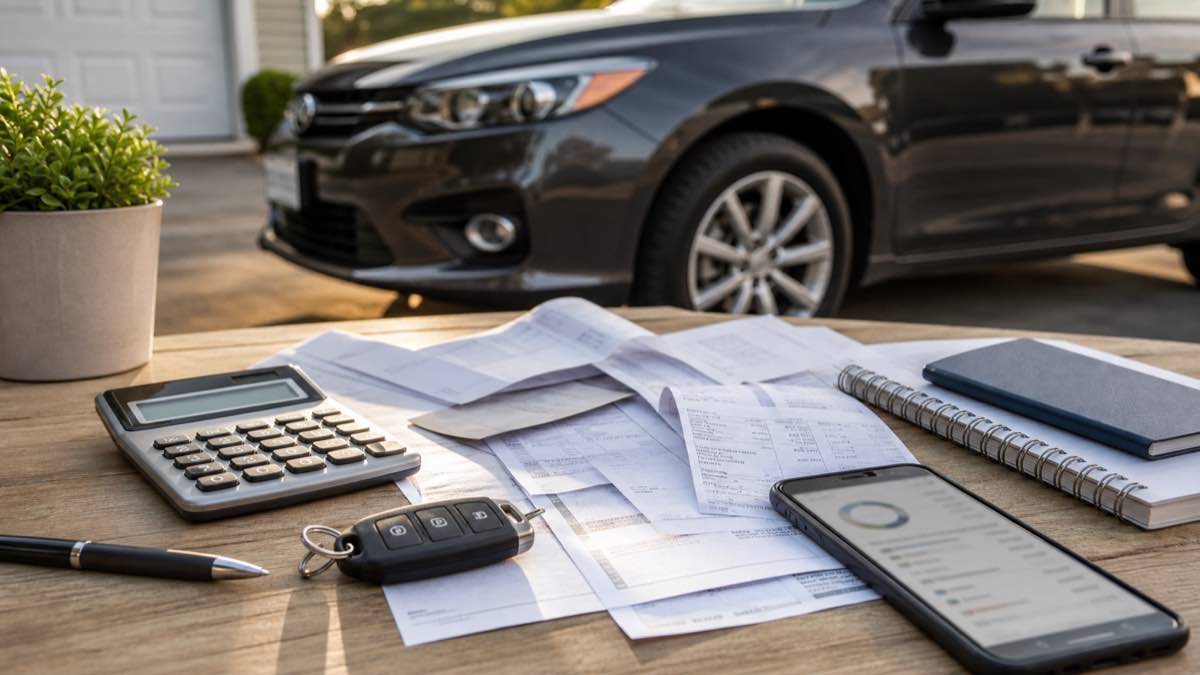
Buying a car is one of the biggest financial decisions most Americans make. But the purchase price is just the beginning. The true cost of owning a car in the US extends far beyond that initial payment, and understanding these expenses helps you make smarter decisions about whether to buy, lease, or wait.
Most car owners underestimate their total ownership costs by 20-30%. This guide breaks down every expense category so you can budget realistically and avoid financial surprises.
The Purchase Price: More Than Just the Sticker
The advertised price of a vehicle rarely reflects what you’ll actually pay. Several costs get added during the buying process:
- Destination charges: Typically $800-$1,500 to transport the vehicle from the factory
- Documentation and dealer fees: Usually $200-$500 depending on your state
- Sales tax: Ranges from 0% in Oregon and Montana to over 7% in most states
- Registration and title: $150-$400 in most states, higher in some regions
- Extended warranties: Optional but can add $1,000-$3,000
On a $30,000 vehicle purchase, these hidden costs can easily add $3,000-$4,000 to your total. Always request an itemized quote before signing anything.
Insurance: A Non-Negotiable Monthly Expense
Car insurance is legally required in all 50 states and typically represents 10-15% of your annual ownership costs. The average American pays between $1,200-$1,800 per year for basic coverage, though this varies significantly based on several factors:
Shopping around for insurance quotes every 6-12 months can save you hundreds annually. Many drivers overpay simply because they haven’t compared options in years.
Fuel Costs: More Predictable Than You Think
Fuel expenses depend on three primary variables: your vehicle’s fuel economy, how much you drive, and current gas prices. The average American drives about 12,000-15,000 miles per year.
Here’s a practical example: A sedan averaging 28 miles per gallon, driven 12,000 miles annually, at $3.50 per gallon costs roughly $1,500 per year in fuel. An SUV averaging 20 mpg under the same conditions costs about $2,100 annually.
Electric vehicles shift this equation entirely. While electricity costs vary by region, charging an EV typically costs 60-70% less than fueling a comparable gas vehicle. However, the higher purchase price of most EVs means fuel savings take several years to offset the initial investment.
Maintenance and Repairs: The Unpredictable Factor
This is where many car owners get blindsided. Maintenance costs increase significantly as vehicles age, and unexpected repairs can derail your budget.
Routine maintenance includes:
- Oil changes: $30-$75 every 3,000-10,000 miles
- Tire rotation: $20-$50 per rotation
- Air filter replacement: $15-$40
- Brake pad replacement: $150-$300 per axle
- Transmission fluid: $100-$300
The American Automobile Association (AAA) estimates average maintenance costs at $0.04-$0.06 per mile driven. For a 12,000-mile annual driver, that’s $480-$720 yearly in routine maintenance alone.
Major repairs—including brake pad replacement, transmission replacement ($1,500-$4,000), engine work ($2,000-$5,000), or suspension repairs ($800-$2,000)—can occur unexpectedly, especially in vehicles over 100,000 miles. Setting aside $100-$150 monthly for a maintenance fund helps cushion these surprises.
Depreciation: The Silent Cost Nobody Talks About
Depreciation is the difference between what you paid for your car and what it’s worth later. It’s arguably the largest ownership cost, yet many buyers ignore it completely.
Most vehicles lose 20% of their value in the first year, 15% in the second year, and 10-15% annually thereafter. A $30,000 car is worth roughly $24,000 after year one and $18,000 after three years.
Some vehicles depreciate slower than others. Toyota and Honda models typically hold value better than American brands. Luxury vehicles often depreciate faster due to higher maintenance costs and insurance premiums.
If you keep a car for 10 years, depreciation matters less. But if you trade vehicles every 3-5 years, depreciation becomes a critical factor in your total ownership cost.
Additional Costs Often Overlooked
Beyond the major categories, several smaller expenses add up:
Calculating Your Total Annual Ownership Cost
Here’s a realistic example for a $25,000 sedan owned for five years:
| Expense Category | Annual Cost |
| Depreciation (average) | $2,000 |
| Insurance | $1,400 |
| Fuel (12,000 miles) | $1,500 |
| Maintenance and repairs | $600 |
| Registration and taxes | $200 |
| Parking and tolls | $300 |
| Total Annual Cost | $6,000 |
This breaks down to approximately $0.50 per mile driven, or $500 monthly. Your actual costs will vary based on vehicle choice, location, and driving habits.
Ways to Reduce Your Car Ownership Costs
Buy used strategically: A 3-5 year old vehicle has already absorbed the steepest depreciation while remaining reliable. You’ll save thousands compared to buying new.
Choose fuel-efficient models: The difference between a 20 mpg and 30 mpg vehicle saves roughly $500 annually in fuel costs.
Maintain your vehicle consistently: Regular oil changes and preventive maintenance prevent expensive repairs down the road. A $50 oil change beats a $3,000 engine repair.
Shop insurance annually: Getting new quotes every year can save $200-$500 without reducing coverage.
Keep your vehicle longer: The most cost-effective approach is keeping a reliable car for 10+ years, minimizing depreciation impact.
Should You Buy, Lease, or Use Alternatives?
Buying makes sense if you plan to keep the vehicle 5+ years and don’t mind maintenance responsibilities. You build equity and avoid mileage restrictions.
Leasing works for drivers who want a new car every 2-3 years, prefer predictable costs, and drive under 12,000 miles annually. However, you’re essentially paying for depreciation without building any equity.
Car sharing services like Zipcar or traditional rideshare might be ideal if you drive infrequently or live in an urban area with good public transportation.
Final Thoughts on Car Ownership Costs
Understanding the true cost of owning a car empowers you to make financially sound decisions. Most Americans spend $6,000-$10,000 annually on vehicle ownership, making it one of their largest expenses after housing.
By carefully selecting a reliable vehicle, maintaining it properly, and shopping for competitive insurance rates, you can keep costs on the lower end of that spectrum. The key is planning ahead rather than being surprised by unexpected expenses.
Frequently Asked Questions
What’s the average cost to own a car in the US?
The average American spends $6,000-$10,000 annually on car ownership, depending on the vehicle type, location, and driving habits. This includes depreciation, insurance, fuel, maintenance, and registration.
How much should I budget for car maintenance annually?
Plan for $600-$1,200 per year in routine maintenance for a vehicle under 100,000 miles. Older vehicles typically cost more. The AAA recommends setting aside $0.04-$0.06 per mile driven.
Is it cheaper to buy or lease a car?
Buying is cheaper long-term if you keep the vehicle 5+ years. Leasing offers lower monthly payments and predictable costs but provides no equity. Calculate based on your expected ownership period and annual mileage.
How much does car depreciation cost?
Depreciation typically costs $2,000-$3,000 annually for the first five years of ownership on a $25,000-$30,000 vehicle. This represents 20-30% of your total ownership cost, making it the largest expense for most owners.
What factors affect car insurance costs?
Age, driving record, vehicle type, location, coverage level, and credit score all impact insurance premiums. Young drivers and those in urban areas typically pay significantly more than older drivers in rural regions.
Can I reduce my car ownership costs?
Yes. Buy used vehicles, choose fuel-efficient models, maintain your car consistently, shop insurance annually, and keep your vehicle longer. These strategies can reduce total ownership costs by 20-30%.